
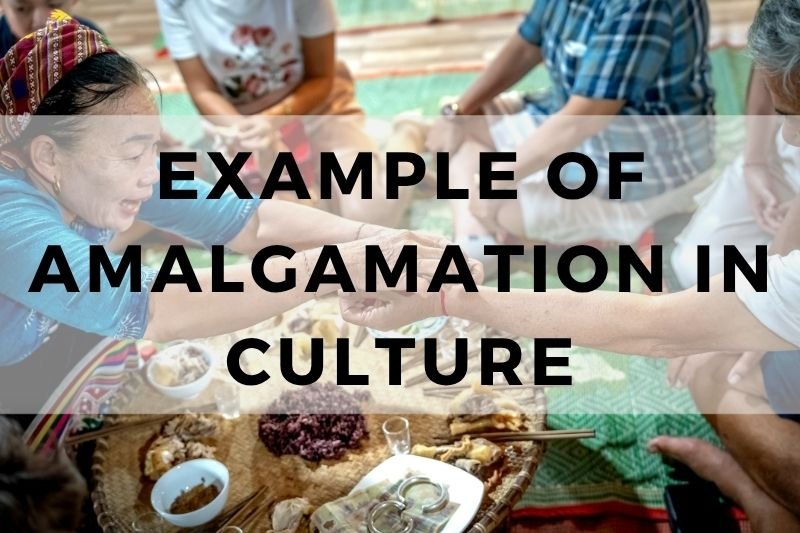
What happens when different traditions meet and influence each other in lasting ways? This question has followed humanity for centuries, shaping how communities interact and evolve. It highlights both challenges and opportunities, showing that encounters between groups are never neutral but transformative.
Cultural amalgamation is the process where ideas, beliefs, and practices mix to create new forms. It explains how art, food, language, and identity can shift through contact and exchange. This blending is not always smooth, yet it often produces innovation. Exploring examples from history and modern life reveals how such merging continues to shape societies everywhere.
Introducing Amalgamation in Culture
What is Cultural Amalgamation?
Cultural amalgamation is the process where two or more cultures interact and merge, producing new practices, beliefs, and forms of expression. It goes beyond simple influence or borrowing; it creates a blended identity that reflects contributions from different groups. This can occur through trade, migration, conquest, or modern globalization. The key idea is that amalgamation transforms cultures into something new rather than preserving them in isolation. It explains why art, language, cuisine, and customs often carry traces of multiple origins. Understanding this helps us see how societies adapt, innovate, and redefine themselves through constant cultural contact.
Key Characteristics of Cultural Amalgamation
- Mutual Exchange – Both cultures contribute elements, creating a balanced blend rather than one-sided dominance. This ensures the outcome reflects diversity, not erasure. Examples include shared foods, rituals, and art forms that combine traditions.
- Adaptation and Innovation – Cultures reshape practices to fit new contexts, leading to innovation. Amalgamation often sparks creativity that neither culture could achieve alone. Fusion cuisines and hybrid music styles illustrate this process.
- Identity Transformation – The merging alters how groups see themselves and others. Amalgamation reshapes identity, producing hybrid or layered cultural identities. This can be seen in diasporic communities worldwide.
- Historical Continuity – Cultural mixing has always been part of human history, not just a modern occurrence. Amalgamation is an ongoing process, not a recent trend. Ancient trade routes and empires provide clear examples.
- Tension and Conflict – Blending can create disputes over authenticity and preservation. Amalgamation is powerful but often contested. It challenges traditions while introducing new ones.
Historical Examples of Cultural Amalgamation
#1. Greco-Buddhist Art in Gandhara
Where
The Gandhara region, located in present-day Pakistan and Afghanistan, became a crossroads of civilizations. After Alexander the Great’s campaigns, Greek settlers interacted with local Indian and Central Asian populations. The region served as a vital link between the Mediterranean and South Asia, enabling exchange of ideas, philosophies, and artistic traditions across vast cultural landscapes.
Blend
Greek artistic styles merged with Buddhist religious themes, creating a distinct hybrid form of art. Sculptures of the Buddha displayed Greek features like curly hair, togas, and realistic body proportions. This synthesis combined Hellenistic realism with Buddhist symbolism, producing a visual language that was recognizable across multiple cultural spheres and helped spread Buddhist ideas farther.
Significance
This artistic fusion made Buddhism more accessible across different regions. The Greco-Buddhist style influenced art in Central Asia, China, and beyond, shaping how the Buddha was visually represented. The Gandhara case shows how cultural amalgamation can transform religious expression and artistic heritage, leaving an enduring mark on both spiritual practice and visual history.
#2. Hellenistic Egypt under the Ptolemies
Where
Egypt under the Ptolemaic dynasty became a melting point of Greek and Egyptian traditions. Founded after the death of Alexander the Great, the Ptolemies ruled from Alexandria, a hub of learning and culture. The city housed the Great Library and was a gathering place for scholars, merchants, and travelers from diverse parts of the ancient Mediterranean.
Blend
Greek rulers adopted Egyptian religious customs, presenting themselves as pharaohs while maintaining Greek traditions. Temples combined Greek architectural styles with Egyptian symbols. Language, governance, and art reflected both worlds, as hieroglyphs appeared alongside Greek script, and daily life balanced Hellenistic practices with enduring Egyptian heritage, creating a unique cultural identity in politics, religion, and education.
Significance
The blending stabilized Ptolemaic rule, legitimizing Greek leaders in Egyptian eyes. It also produced lasting contributions in art, science, and literature that influenced both Greece and Egypt. Hellenistic Egypt highlights how political necessity can drive cultural amalgamation, producing hybrid systems that preserve order while advancing knowledge and cultural innovation for centuries beyond the dynasty’s fall.
#3. Moorish Spain (Al-Andalus)
Where
Al-Andalus in medieval Spain became a meeting ground of Islamic, Christian, and Jewish traditions. Muslim rule introduced Arabic culture and institutions into Iberia. Major cities such as Córdoba, Granada, and Seville grew into centers of learning, trade, and architecture, where diverse communities interacted daily and contributed to shared cultural, economic, and intellectual achievements across regions.
Blend
Islamic architecture fused with local Iberian traditions, creating iconic styles such as horseshoe arches and ornate geometric designs. Intellectual life thrived as Muslim, Jewish, and Christian scholars collaborated, translating texts and advancing knowledge in medicine, astronomy, and philosophy. Agriculture and cuisine also reflected combined practices, including the introduction of irrigation methods and Mediterranean-Arabic food staples.
Significance
Al-Andalus left a profound legacy in European thought, shaping the Renaissance through preserved and translated knowledge. Architectural marvels such as the Alhambra remain lasting symbols of cultural blending. Moorish Spain demonstrates how religious and cultural exchange can drive intellectual progress, influence global scholarship, and create enduring artistic achievements that resonate far beyond their original context.
#4. Roman Empire’s Cultural Integration
Where
The Roman Empire stretched across Europe, North Africa, and the Middle East. Rome absorbed diverse peoples, from Gauls and Egyptians to Persians and Jews. Each region brought distinct customs into the empire. Cities became multicultural hubs where Roman governance combined with local traditions, turning the empire into one of history’s most culturally diverse societies.
Blend
Rome incorporated local gods into its pantheon, adopted foods, fashions, and festivals, and merged legal systems. Latin language spread but also absorbed regional terms. Art, architecture, and engineering drew from Greek, Egyptian, and Near Eastern influences. Soldiers, traders, and settlers moved widely, spreading traditions and enabling constant cultural interchange across vast territories under imperial authority.
Significance
This integration secured stability and loyalty within the empire. Local populations felt represented while Rome expanded its influence. The Roman model shows how cultural amalgamation can serve as a powerful tool of governance, fostering unity in diversity and creating long-lasting structures that shaped Western civilization in law, art, architecture, and political organization for centuries.
#5. Byzantine Empire and Eastern Influences
Where
The Byzantine Empire, centered in Constantinople, acted as a bridge between Europe and Asia. Its strategic location on trade routes exposed it to Greek, Roman, Persian, and later Islamic influences. Constantinople flourished as a cosmopolitan city where diverse peoples converged, making Byzantium both a continuation of Rome and a gateway to Eastern traditions.
Blend
Byzantine religion, art, and politics blended Greco-Roman traditions with Eastern spiritual and artistic elements. Christianity shaped cultural life, yet Persian luxury, Islamic trade practices, and Asian motifs appeared in art and textiles. Architectural achievements, such as Hagia Sophia, embodied this blend, combining classical structures with domes and mosaics influenced by Eastern design sensibilities.
Significance
The Byzantine synthesis preserved classical knowledge while shaping Orthodox Christianity and influencing neighboring cultures. Its art, theology, and law extended into Russia, Eastern Europe, and the Islamic world. Byzantium proves how cultural amalgamation sustains empires, enabling them to thrive as cultural intermediaries and transmitters of knowledge between civilizations across centuries of shifting power.
#6. The Silk Road Exchanges
Where
The Silk Road connected China, Central Asia, the Middle East, and Europe. Stretching thousands of miles, it became the most significant trade network of the ancient world. Caravans, merchants, and travelers carried not only goods but also ideas, languages, and religions. Cities like Samarkand and Kashgar emerged as cultural crossroads where exchanges constantly occurred.
Blend
Silks, spices, and precious metals moved alongside philosophies, technologies, and artistic motifs. Buddhism spread from India to China, while paper and printing traveled westward. Artistic forms combined, with Chinese, Persian, and Greco-Roman influences evident in ceramics, murals, and manuscripts. Languages borrowed words from one another, and culinary practices spread across continents through continuous interactions.
Significance
The Silk Road created the foundation for globalization in ancient times. It facilitated the spread of major religions, technological innovations, and multicultural societies. Its exchanges show that trade routes are not only economic lifelines but also engines of cultural amalgamation, shaping civilizations through cross-cultural contact and leaving legacies still visible in art, faith, and commerce.
#7. Mughal Empire in India
Where
The Mughal Empire, established in the 16th century, ruled much of the Indian subcontinent. It brought Central Asian, Persian, and Islamic traditions into contact with India’s diverse Hindu, Sikh, and local cultures. Major cities like Delhi, Agra, and Lahore became thriving centers of political authority, cultural patronage, and artistic experimentation under the Mughal emperors.
Blend
Mughal architecture combined Persian symmetry with Indian motifs, as seen in the Taj Mahal. Court culture embraced Persian poetry while integrating Indian themes. Religious policies under Akbar promoted dialogue between Hindu and Muslim traditions. Cuisine merged Persian flavors with Indian spices, creating dishes like biryani. Painting styles fused Persian miniatures with vibrant Indian elements.
Significance
The Mughal fusion enriched South Asian identity, leaving enduring contributions in architecture, art, and food. Its synthesis showed that imperial power could foster creative cultural exchange rather than suppression. The Mughal example demonstrates how amalgamation can strengthen legitimacy, unify diverse peoples, and create lasting cultural symbols that continue to define a nation’s heritage.
#8. Ottoman Empire’s Multicultural Society
Where
The Ottoman Empire stretched from Southeastern Europe through the Middle East into North Africa. Its capital, Constantinople (Istanbul), became a thriving multicultural metropolis. The empire encompassed Christians, Muslims, and Jews, managing this diversity through structured governance and policies that allowed cultural coexistence. It remained one of history’s most enduring multicultural empires across centuries.
Blend
Ottoman architecture fused Byzantine and Islamic elements, evident in the Blue Mosque and Topkapi Palace. Literature and music drew from Arabic, Persian, and local traditions. The millet system allowed different religious groups to govern themselves under imperial oversight, fostering cultural autonomy within shared political order. Ottoman cuisine absorbed flavors from the Balkans, Arabia, and Anatolia.
Significance
The Ottoman system enabled centuries of relative stability across diverse communities. Its hybrid art, architecture, and governance influenced Europe, the Middle East, and Asia. The empire’s example shows how cultural amalgamation, when managed through flexible systems, can sustain vast, diverse societies while producing innovation that enriches global heritage in politics, art, and daily life.
#9. Creole Cultures in the Caribbean
Where
The Caribbean islands became sites of cultural convergence during European colonization. Enslaved Africans, Indigenous peoples, and European colonizers interacted under forced and unequal conditions. Despite hardship, distinct Creole identities developed across islands such as Haiti, Jamaica, and Martinique, creating vibrant societies with unique traditions shaped by this historical mixing and resistance to dominance.
Blend
Creole languages emerged from the fusion of African languages, European tongues, and Indigenous expressions. Religious traditions like Vodou and Santería blended African spirituality with Catholic practices. Music, including reggae and calypso, reflected African rhythms fused with European instruments. Food combined African staples with European and Indigenous ingredients, producing culinary identities still central to the region.
Significance
Caribbean Creole culture illustrates resilience through forced amalgamation. Enslaved populations created lasting traditions that resisted erasure and shaped national identities after independence. The Caribbean case proves that even under oppression, cultural amalgamation can generate powerful hybrid identities, influencing global music, language, religion, and cuisine while preserving ancestral heritage within new collective forms.
#10. The Americas After Colonization
Where
European colonization transformed the Americas from the 16th century onward. Spanish, Portuguese, French, and English powers encountered Indigenous peoples and brought enslaved Africans. Regions like Mexico, Brazil, and the United States became epicenters of cultural collision, where new societies emerged from violent encounters, exchanges, and forced migration, producing blended traditions across continents.
Blend
Indigenous traditions merged with European Christianity, creating syncretic religions like Day of the Dead celebrations. African rhythms fused with European instruments to create jazz, samba, and blues. Languages borrowed from Indigenous and African vocabularies. Food combined maize, potatoes, and cacao with European livestock and crops, generating globally influential cuisines such as Mexican and Brazilian.
Significance
Post-colonial Americas became some of the most culturally diverse regions globally. Despite oppression, Indigenous and African legacies shaped national identities and global culture. The Americas show how cultural amalgamation under unequal power can still create enduring hybrid societies, influencing language, music, cuisine, and spirituality across continents for centuries to come.
Modern-Day Examples of Amalgamation in Culture
#1. Fusion Cuisine
Chefs worldwide mix ingredients and cooking methods from different traditions to create new dishes. Korean tacos combine Mexican tortillas with Korean bulgogi beef. Sushi burritos fuse Japanese sushi with American fast-food convenience. Indian-Chinese cuisine blends spices with stir-frying. Fusion cuisine proves cultural amalgamation thrives in kitchens, turning local dishes into global favorites. Restaurants in cities like New York and London thrive on such creativity, reflecting multicultural communities while shaping food trends that spread internationally through travel, media, and migration.
#2. Global Music Genres
Artists merge rhythms, instruments, and languages across cultures to create new sounds. Reggaeton fuses Latin beats with hip-hop and dancehall, gaining global popularity through artists like Bad Bunny. K-pop combines Western pop structure with Korean lyrics, fashion, and performance styles. Afrobeat blends West African rhythms with jazz and funk, popularized by Fela Kuti. Global music genres show how cultural exchange reinvents sound. Streaming platforms accelerate this exchange, enabling collaborations like BTS with Coldplay or Shakira with African and Middle Eastern producers.
#3. Hybrid Fashion Trends
Fashion houses and streetwear brands mix styles from different traditions. Kimono-inspired jackets appear in Western collections. Sneakers incorporate African textiles, while luxury labels borrow from hip-hop culture. Designers like Virgil Abloh blended streetwear with haute couture, while Japanese designers reshaped global aesthetics with minimalism. Hybrid fashion shows how clothing reflects shared identities. Festivals like Coachella highlight cross-cultural styles, from Native-inspired accessories to Indian saree drapes with Western cuts. The fashion industry thrives by adapting cultural symbols, turning them into global trends and identity markers.
#4. Mixed Languages and Dialects
Communities worldwide form hybrid languages as cultures interact. Spanglish mixes English and Spanish in the United States, especially in Miami and Los Angeles. Taglish blends Tagalog and English in the Philippines. Haitian Creole fuses French with African linguistic structures. Mixed languages prove that cultural contact reshapes communication. Social media accelerates this blend, as slang and borrowed words spread across borders. These languages are not broken forms but legitimate identities that reflect migration, colonial history, and the reality of multicultural daily life worldwide.
#5. Multicultural Cities
Urban centers embody cultural amalgamation in daily life. Toronto hosts over 200 ethnic groups with food districts like Chinatown and Little Italy. London thrives with South Asian influences in cuisine, music, and fashion. New York integrates Puerto Rican, Jewish, Italian, and West African traditions in neighborhoods like Queens and Brooklyn. Multicultural cities prove amalgamation shapes urban identity. Festivals like Notting Hill Carnival in London and Lunar New Year in San Francisco demonstrate shared celebration. Such cities thrive by turning cultural diversity into social strength and creative innovation.
#6. International Film Collaborations
Cinema frequently blends traditions to reach global audiences. “Slumdog Millionaire” merged Bollywood storytelling with Western filmmaking, winning international awards. Netflix co-produces series like “Money Heist” (Spain) and “Sacred Games” (India), showcasing global collaboration. Hollywood films now feature actors, directors, and narratives from Asia and Africa, like “Crazy Rich Asians” and “Black Panther.” Film collaborations prove cultural amalgamation broadens storytelling. Co-productions allow financing and cultural input across countries, blending visual styles, scripts, and performance traditions while reshaping how audiences worldwide engage with cinema.
#7. Global Festivals and Celebrations
Festivals mix cultural symbols and attract global participation. Carnival in Brazil combines European Catholic traditions with African rhythms and Indigenous influences. St. Patrick’s Day, an Irish festival, is celebrated worldwide with local twists in Chicago, Tokyo, and Sydney. Holi, an Indian festival, has spread globally as a multicultural event. Global festivals prove cultural amalgamation creates shared celebrations. These events often blend local music, costumes, and foods, reflecting a mix of heritage and contemporary adaptation that unites people across cultural and national divides.
#8. Architectural Hybridity
Buildings showcase cultural blending through design. The Louvre Abu Dhabi combines French architecture with Arab motifs. Singapore’s Marina Bay Sands mixes modern skyscraper design with Asian feng shui principles. Mexico City’s Metropolitan Cathedral overlays Spanish colonial style on Aztec foundations. Architectural hybridity shows how design becomes cultural dialogue. Mosques in West Africa incorporate Sahelian mud-brick traditions with Islamic domes. Architects borrow global inspirations, reshaping skylines into symbols of shared identity and historical continuity in ways that reflect both local roots and international visions.
#9. Digital Culture and Online Communities
Online spaces create new forms of amalgamation. Memes borrow humor from multiple languages and cultures, spreading globally within hours. K-pop fandoms unite fans worldwide who adopt Korean words and digital practices. Gaming communities blend Asian, American, and European aesthetics in titles like “Genshin Impact” and “Fortnite.” Digital culture proves amalgamation accelerates online. TikTok trends mix dances, music, and slang from different countries, creating hybrid cultural products instantly. The internet has become a frontier for cultural mixing, making amalgamation immediate, widespread, and transformative.
#10. Intercultural Marriages and Families
Families formed by intercultural unions create new traditions. A Filipino-Japanese family may celebrate both Bon Festival and Barrio Fiesta. African-American and Latino households blend music, cuisine, and language in daily life. Royal marriages, like Meghan Markle and Prince Harry, highlight modern multicultural unions. Intercultural families prove amalgamation thrives at the personal level. They produce hybrid identities passed to children, shaping how future generations view heritage. Weddings, family rituals, and household customs blend influences, creating microcosms of cultural exchange that reflect global interconnectedness.
Amalgamation in National and Urban Identities
#1. New York City’s Cultural Mosaic
New York thrives as one of the world’s most diverse cities, with over 180 languages spoken. Immigrant groups shaped boroughs like Chinatown, Little Italy, and Harlem. Festivals like the Puerto Rican Day Parade and Lunar New Year highlight traditions. New York’s mosaic proves urban identity is built on amalgamation. From pizza to hip-hop, everyday culture reflects immigrant contributions. Its diversity drives innovation in fashion, finance, and the arts, making the city a global model of how cultural blending creates resilience, creativity, and shared identity.
#2. Singapore’s Blended National Identity
Singapore’s national identity rests on a conscious mix of Chinese, Malay, Indian, and Western influences. Policies promote racial harmony while allowing traditions to flourish. Hawker centers serve multicultural cuisines side by side. Festivals like Deepavali, Chinese New Year, and Hari Raya are public holidays. Singapore proves nations can craft unity through amalgamation. Its architecture blends modern skyscrapers with cultural motifs. Schools promote bilingualism, producing citizens fluent in English and a mother tongue. The city-state thrives economically and socially by embracing its hybrid identity as a national strength.
#3. Brazil’s Carnival as National Amalgamation
Carnival in Brazil unites Indigenous, African, and Portuguese traditions into one national celebration. Samba, with African roots, dominates parades. Costumes and Catholic timing reflect European influences. Indigenous dance and music elements remain part of festivities. Carnival proves cultural amalgamation can define national identity. The event strengthens unity across social classes and ethnicities. It also drives tourism and global recognition of Brazil. The festival demonstrates how cultural blending can evolve into a defining symbol of national pride, collective joy, and international cultural influence.
#4. South Africa’s “Rainbow Nation”
Post-apartheid South Africa embraced the identity of a “Rainbow Nation,” celebrating diversity from Zulu to Afrikaner traditions. Music genres like kwaito blend African rhythms with Western house music. Eleven official languages reflect multilingual amalgamation. Cuisine mixes Indian curries, Dutch-influenced dishes, and African staples. South Africa proves amalgamation can heal divisions. By framing diversity as national strength, it promotes reconciliation and unity. Its cultural blending provides a model for other nations navigating histories of division, showing how cultural amalgamation supports democracy and inclusive identity-building.
#5. Canada’s Multicultural Policy
Canada officially embraces multiculturalism as a national policy. Immigrants from Asia, Europe, Africa, and the Middle East bring traditions that shape public life. Cities like Toronto and Vancouver host vibrant immigrant neighborhoods. Schools and media encourage cultural representation. Canada proves multiculturalism can be state policy. Cuisine, music, and festivals showcase blending as national pride. This policy strengthens unity while respecting differences, helping Canada maintain stability and attract global talent. It exemplifies how formal recognition of amalgamation fosters resilience and innovation in diverse societies.
Challenges of Cultural Amalgamation
#1. Identity Conflicts
Cultural blending often creates tension over heritage preservation and authenticity. Communities may feel their traditions are diluted or misrepresented. Youth may struggle with dual identities, especially in immigrant households. Identity conflict arises when individuals feel torn between cultures. For example, second-generation immigrants in the U.S. often balance ancestral expectations with mainstream norms. This tension can lead to identity crises but also sparks creativity. Policies promoting cultural education help individuals integrate both influences without losing a sense of belonging or authenticity.
#2. Power Imbalances in Exchange
Cultural amalgamation often occurs under unequal power dynamics, such as colonization or globalization. Dominant cultures may impose practices, leading to assimilation rather than mutual exchange. Power imbalance threatens true amalgamation by suppressing weaker cultures. For example, Indigenous traditions in the Americas were marginalized under European colonization, though many survived through syncretism. Today, global corporations often spread Western norms at the expense of local traditions. Protecting minority voices is essential to ensure cultural mixing remains equitable and respectful rather than exploitative or one-sided.
#3. Risk of Cultural Appropriation
Borrowing from another culture can become harmful when context and meaning are ignored. Fashion trends often misuse sacred symbols like Native American headdresses or bindis. Appropriation occurs when elements are taken without respect or understanding. This can reduce traditions to stereotypes or commodities. For example, Indigenous designs mass-produced for profit erase community ownership. To avoid this, collaborations with cultural groups and acknowledgment of origins are crucial. Respectful exchange values heritage and fosters genuine appreciation instead of shallow or exploitative imitation.
#4. Loss of Authentic Traditions
As cultures blend, original practices risk disappearing or being overshadowed. Languages may vanish when younger generations adopt dominant tongues. Traditional crafts may decline when replaced by industrial products. Amalgamation can cause heritage loss if preservation is neglected. For example, many Indigenous languages in North America face extinction due to English dominance. Documenting and teaching endangered traditions helps prevent erasure. Supporting cultural institutions, festivals, and language revitalization programs ensures blending does not come at the cost of losing irreplaceable heritage and collective memory.
#5. Resistance to Change
Not all communities welcome cultural blending. Some view amalgamation as a threat to purity or identity. Nationalist movements often reject multiculturalism, promoting exclusionary policies. Resistance arises when people fear loss of identity or control. For example, debates over immigration in Europe highlight concerns about preserving cultural traditions. Such resistance can cause social division and conflict. Addressing fears through dialogue and inclusive education helps societies embrace diversity while reassuring communities that their heritage remains valued within evolving cultural landscapes.
Closing Thoughts
Cultural amalgamation shows how human interaction shapes identities, traditions, and innovations across time. From ancient empires to modern global cities, people have always borrowed, adapted, and created together. This blending produces challenges but also sparks creativity and resilience. The examples prove that no culture exists in isolation. Each exchange leaves traces that influence art, language, food, and beliefs. Recognizing this helps us appreciate diversity not as separation, but as a shared human story of connection and transformation. Cultural amalgamation continues to guide how societies grow and adapt in meaningful ways.